
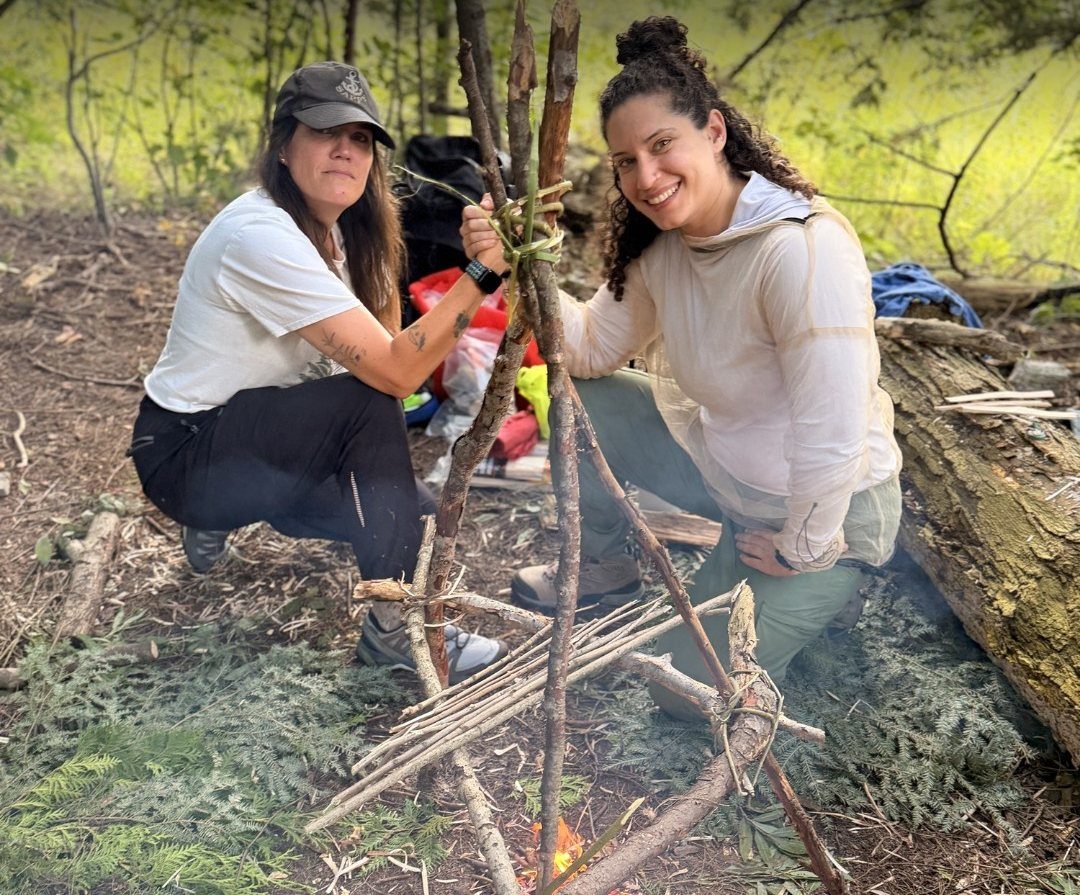
Survival skills courses near Toronto
Spend a day learning the skills you've always meant to have. Fire, shelter, knots, a knife in your hand. Taught in the woods north of Toronto, with others who live downtown, work at a desk all week, and are also starting from zero. Bus from Keele Station included.
You read the news. You've got a list saved somewhere called "emergency kit" that you've never bought. You can do your job in your sleep, and you couldn't keep yourself warm overnight in a forest if your life depended on it.
Most people never close that gap. Not because it's hard, but because the only courses are three hours away, assume you own a car and a knife, and are full of people who already know what they're doing.
So we built one for the rest of us.
Every course is hands on from the first minute, and stands on its own. Nobody has to take one before another.
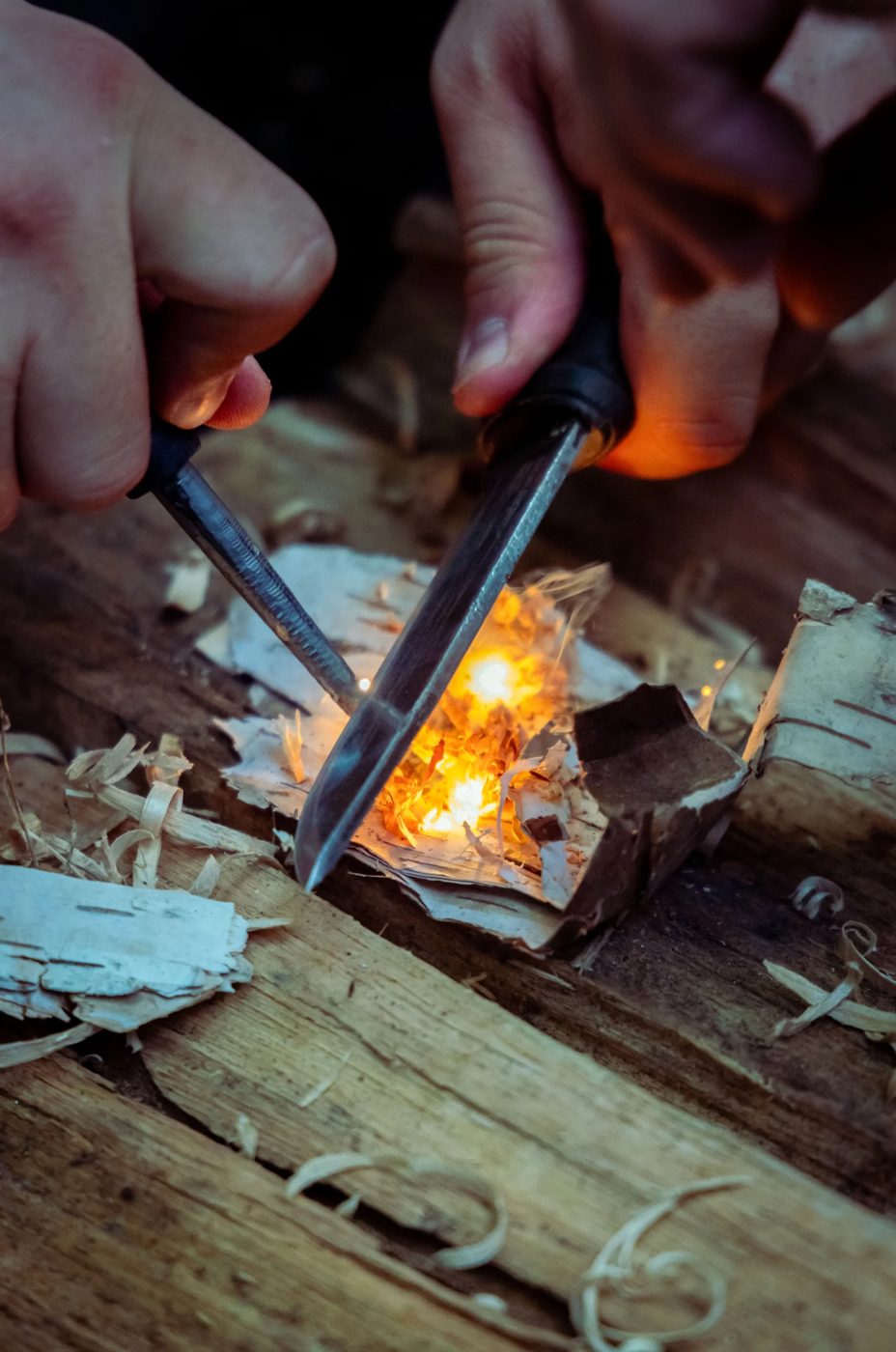
Fire. Light it with a ferro rod and keep it going: finding tinder in an Ontario forest, fire lays that last, blowing an ember into flame, splitting wood, feather sticks. The skill everyone wants first, and the one we run most.
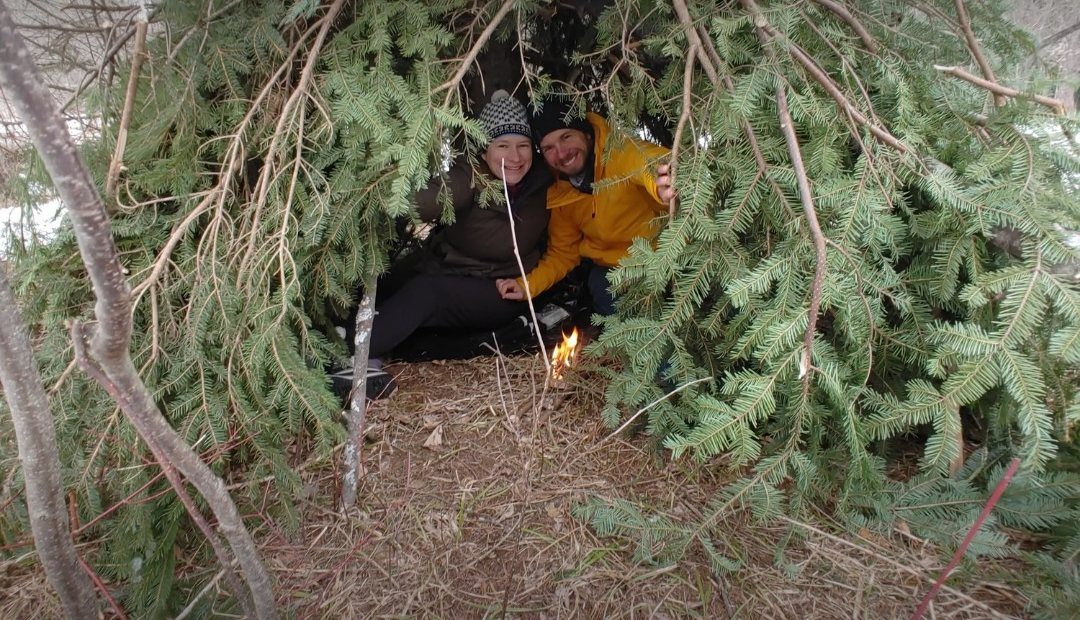
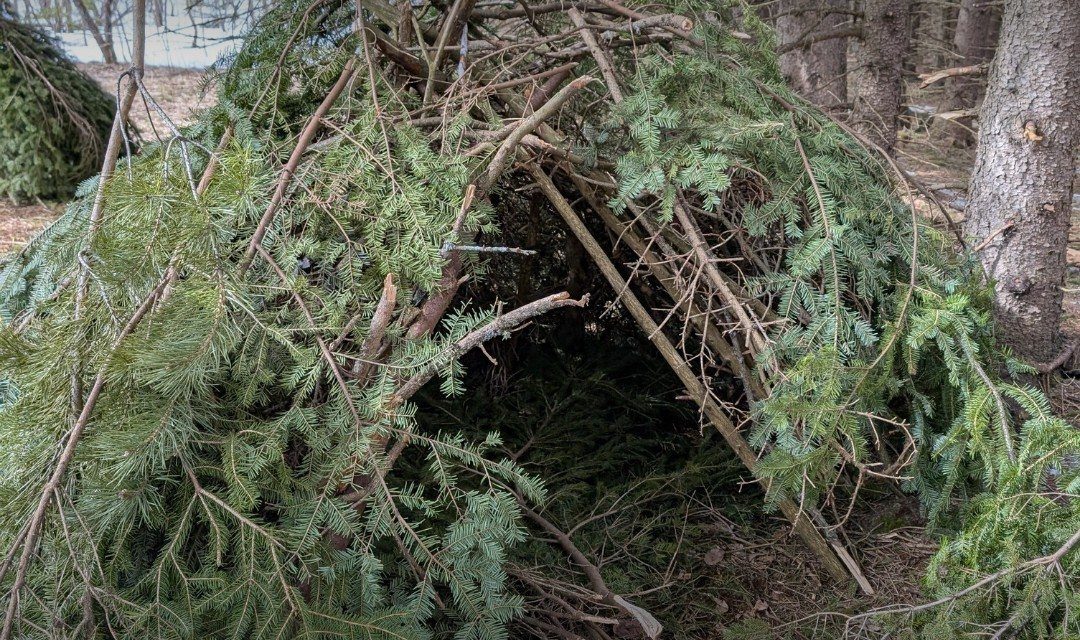
Shelter. Put up a tarp two ways, A-frame and plow point, then build one from what's lying on the forest floor that you could actually sleep in.
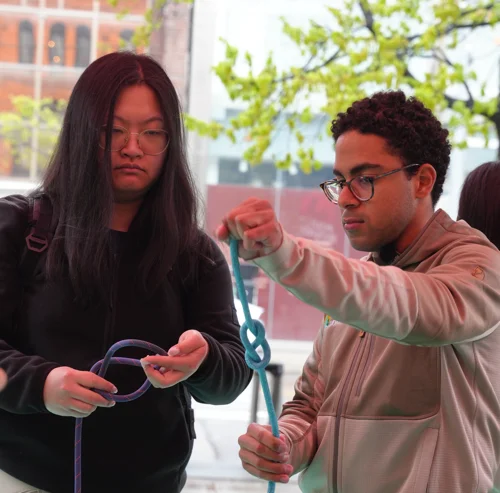
Knots. The three that hold a camp together: taut-line hitch, slip knot, bowline. Jute twine for nearly everything, paracord for the tarp.
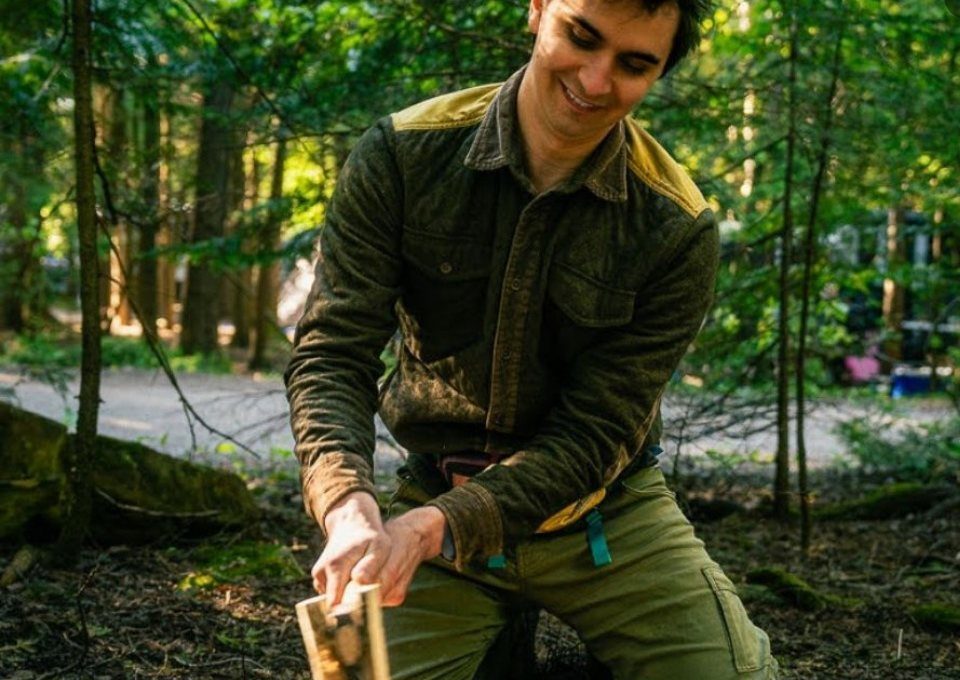
Knife, saw and hatchet. Carve your own spoon, chopsticks and spatula. Split wood safely. Build a tripod and grill over the fire.
Five Saturdays and Sundays this winter, more through January if these fill.
You'll be carving, so you'll need a fixed-blade knife. If you don't own one, borrow one of ours for free on the day, or buy a Mora at checkout and keep it.
Where
Copeland Forest in Oro-Medonte, about an hour and a half north of Toronto
Getting there
Bus from Keele Station, or drive yourself
Instructor
Kyle, with a second Wilderness Union guide
Group size
Up to 20 people
Price
From $135 plus HST
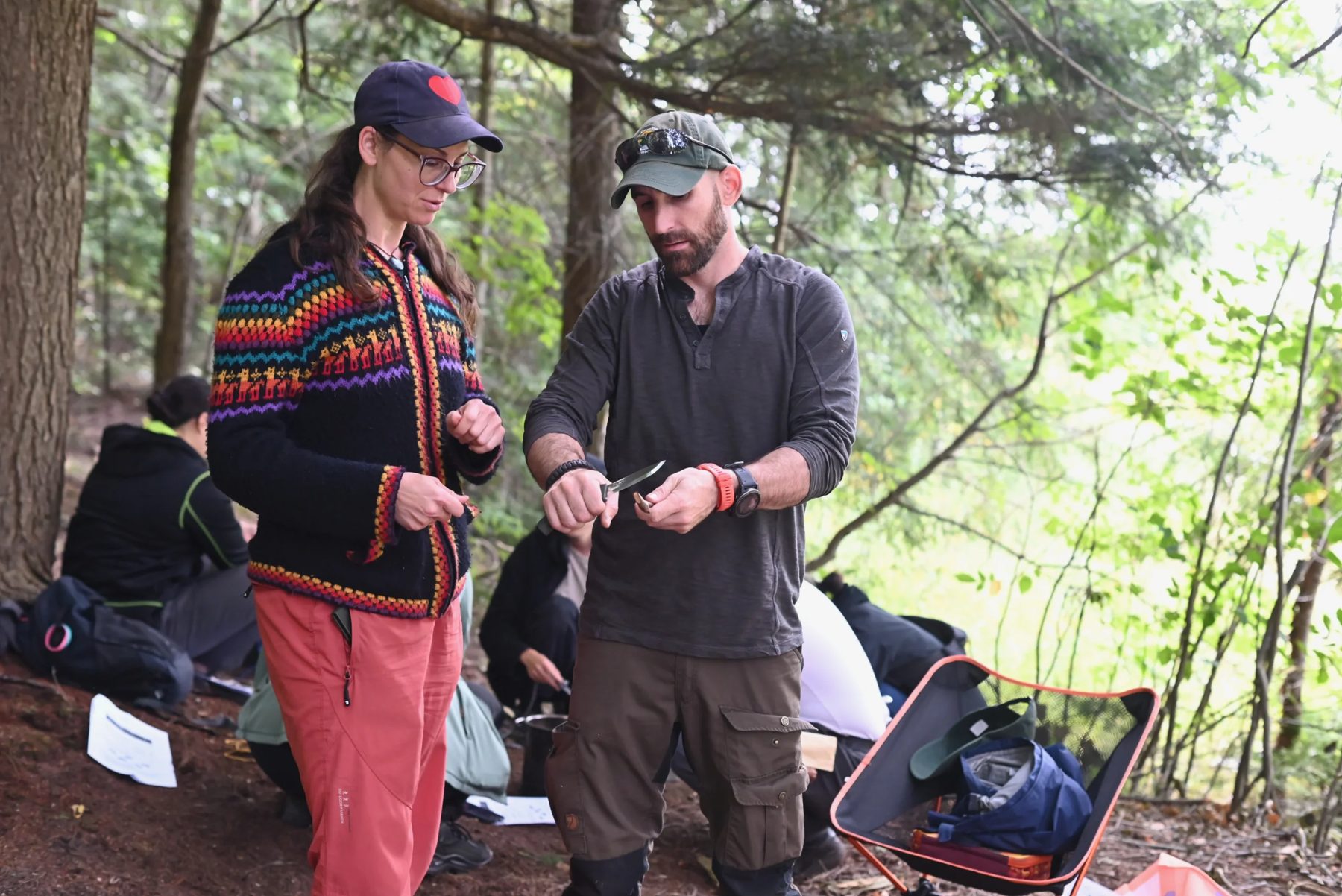
Kyle is a survival instructor and wilderness guide with over a decade of experience, and the person who runs every one of these courses for Wilderness Union. He teaches the way the forest does: slowly, then all at once. Every shelter is built without felling live trees, and every fire is out before you leave.
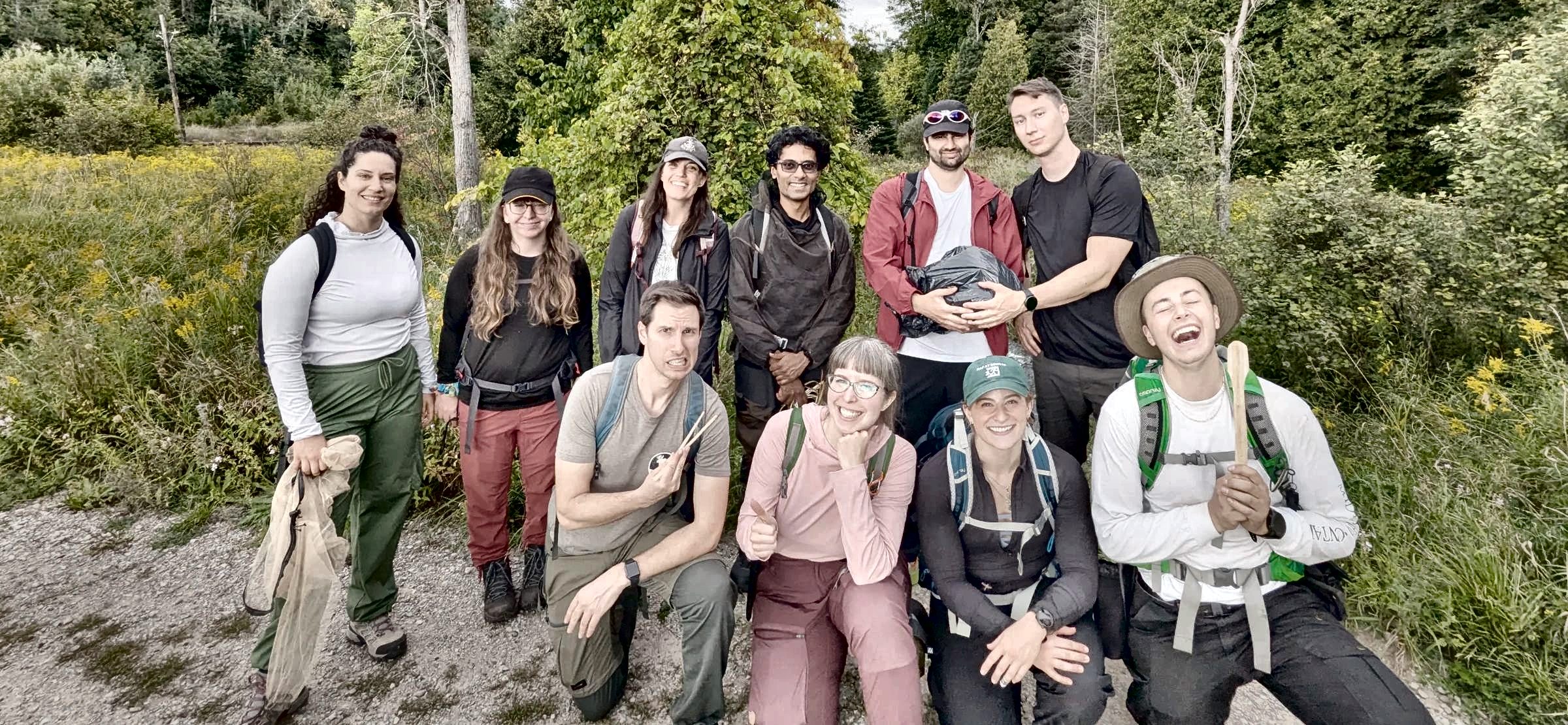
Hundreds of Torontonians have now taken a Survival Skills course with us. Condo dwellers, nurses, people who run spreadsheets for a living. Most had never slept outside, about six in ten are women, and nobody arrived knowing how to do this. Nearly all of them came alone and left with someone to text about the next one.
Finish a course and you get its patch. After that there's advanced fire (flint and steel, bow drill, char cloth, tinder fungus), maple tapping in April, and the overnight in May, where pairs sleep by a long fire on beds of boughs and take turns keeping it going.
Nobody has to climb the ladder. Plenty of people just want to know they could light the fire. That's enough.
Good. Kyle starts with the grip, the safe side, and the cut you'll use all day. Nobody is ahead of you.
You need boots you don't mind muddying, warm layers, lunch and water. We supply the rest. The knife you can borrow.
Neither do half the bus. That's why there's a bus.
It's a Saturday-in-the-woods thing. If you want to be the person who knows what to do, you're in the right place. If you want to talk about the end of the world, there's a forum for that.
Sign up for our newsletter to reconnect with the wild, discover new adventures and get updates from Wilderness Union.


You are now part of the Crew! Wilderness Union has moved to a membership-only model and a membership is required to go on all adventures. For more information, click here.
Continue to join the Crew (Free!)