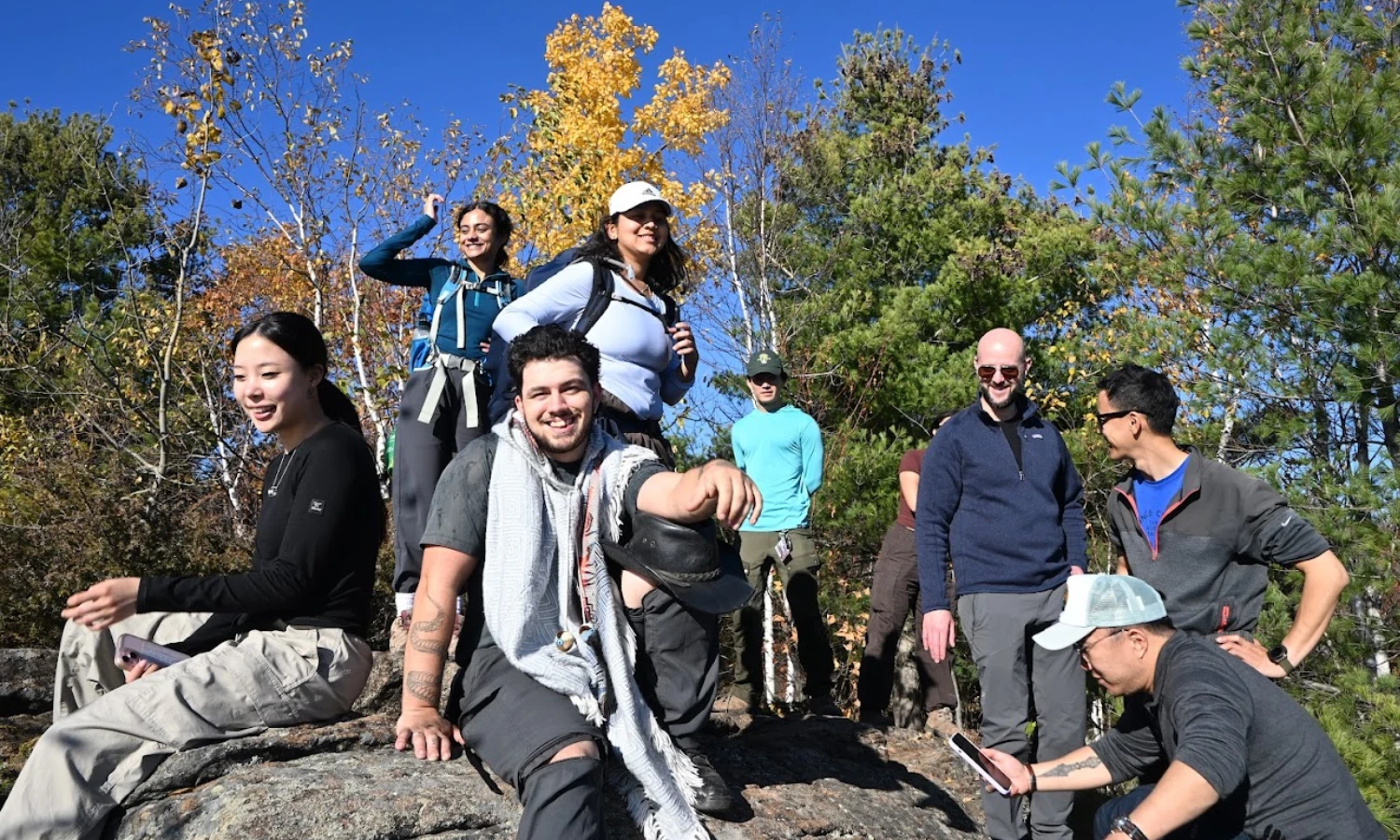
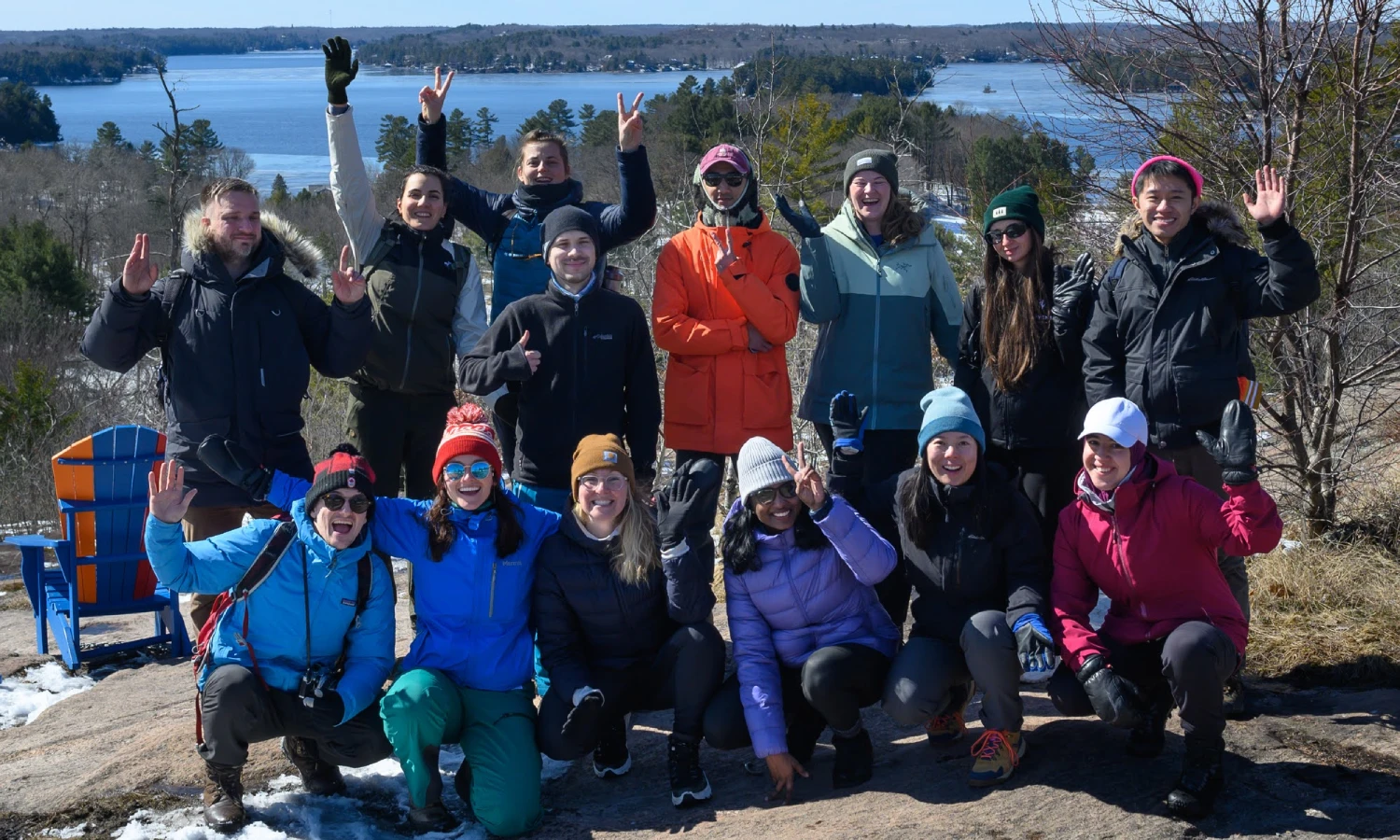
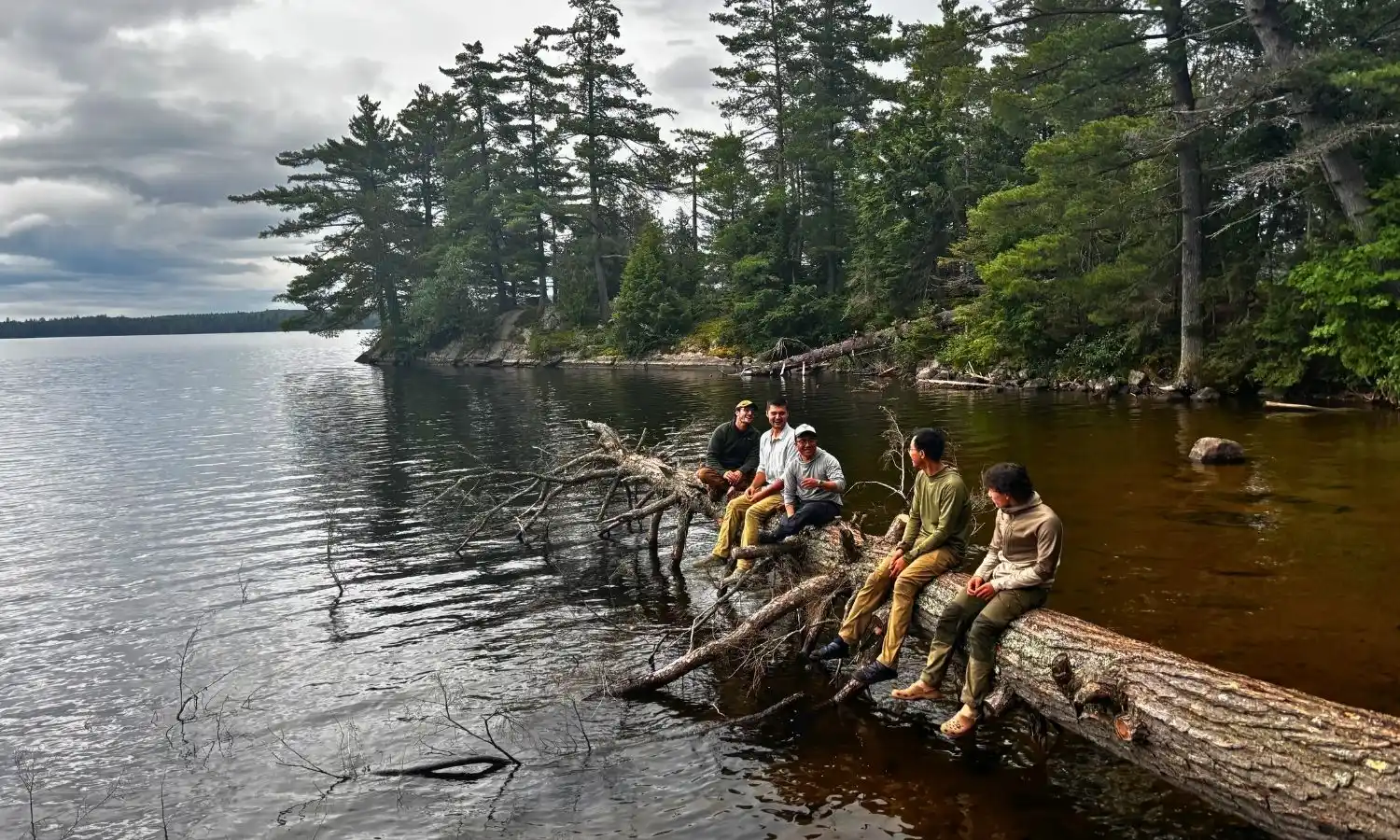
I firmly believe that knowing how to look after yourself outdoors is one of the most useful things you can learn. Modern life's convenience has made us comfortable but helpless, a fact that becomes very real whenever that convenience is taken away.
That's why Wilderness Union is building out our Survival Skills courses. These are hands-on, one-day courses in and around Toronto, covering fire, shelter, knots, navigation, wilderness medicine and more.
Beginners are welcome, we provide everything you'll need, and there's a bus from Keele Station. You can see every upcoming date on our Survival Skills page.
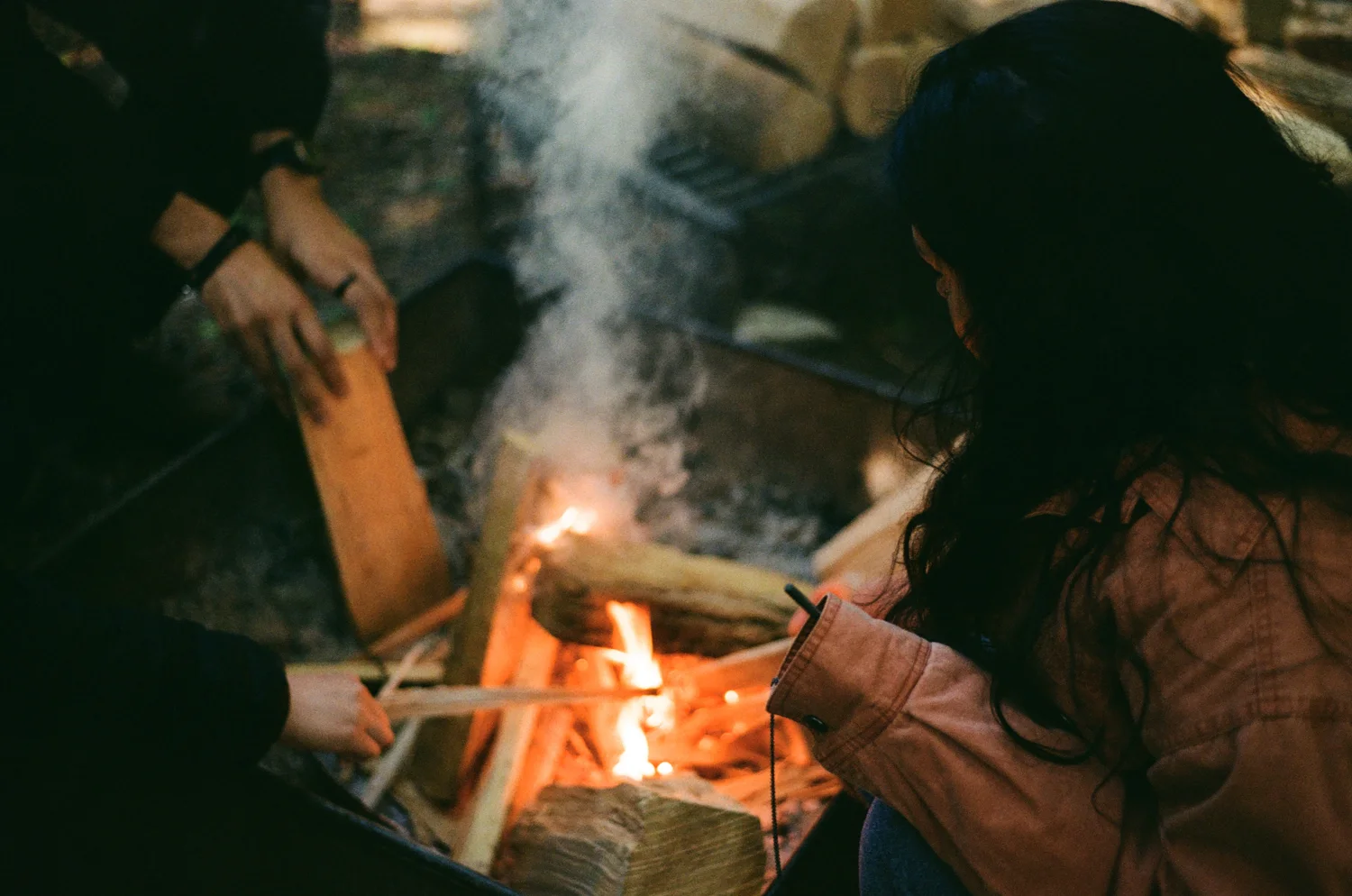
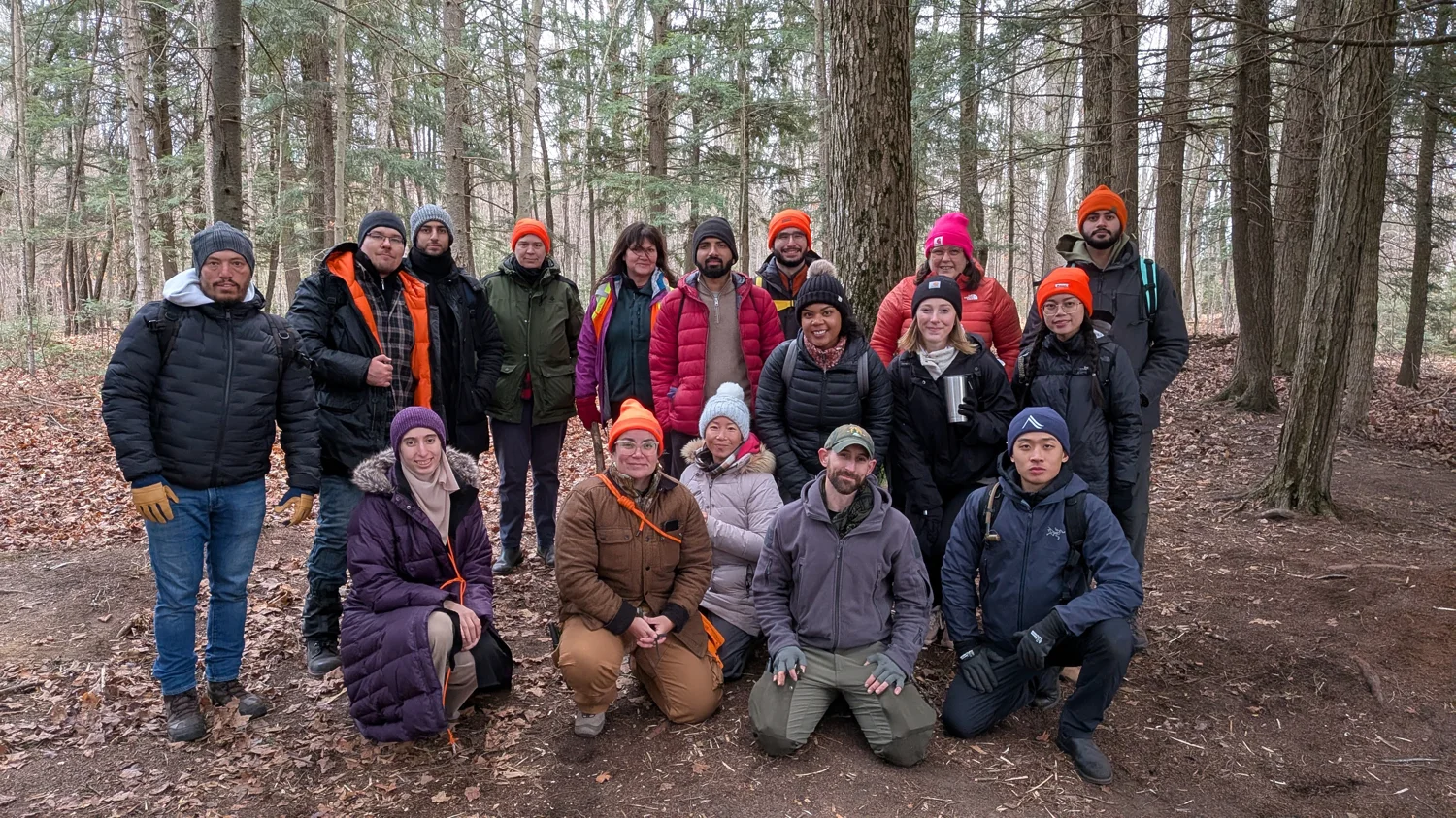
Survival Skills courses are practical days with a mix of classroom time and time in the woods where you learn by doing. You'll spend most of the day with a ferro rod, a knife or a tarp in your hands, not listening to a lecture.
Each course is led by a specialist in that discipline, typically with a 9:1 instructor to student ratio., so everyone gets proper time with the instructor.
We run them in and around Toronto, at places like Bronte Creek Provincial Park in Oakville and Copeland Forest, north of Barrie. Close enough to be home for dinner, wild enough to feel like you've left the city. During the winter, the bulk of the lessons are taught indoors to keep you warm, moving outdoors for many of the practical components.
We believe the outdoors is for everyone and want to give you a gateway to the outdoors, no matter your experience level. That's why education has been an important part of Wilderness Union from the start. Firecraft clinics, shelter building, canoe clinics, camp skills that get you ready for the great outdoors.
Everyone comes to us not only wanting to get outside more but to actually know what they're doing once they're out there.
So we're broadening that properly. Survival Skills is now where all our skills teaching lives, and it's growing to cover:
Each of these will run from beginner to advanced. We're also building women-focused programming, for anyone who would rather learn these skills in that setting.
No. These are courses for regular people who want to feel more capable. If you want to be the person who knows what to do, you're in the right place.
All of our courses are social by design. Nearly everyone arrives on their own, and leaves with someone to text about the next course.
Specialists. We match each discipline with someone who has spent years doing it and teaching it. Here are just a few examples:
Fire and shelter: Kyle
Kyle has been camping and building shelters in the Ontario bush for most of his life. He trained in fish and wildlife at Fleming College, where the survival program brought him in as a supplementary instructor, and he has spent roughly a decade teaching survival skills to small groups. Members call him "the Canadian MacGyver".
Wilderness medicine: Practicing doctors. Our doctor guides with extensive outdoors experience, teach emergency skills that will serve you in the wild.
Navigation: Captain Rob Buckingham (Rtd). Learn advanced map, compass and navigation skills from the man who taught the army.
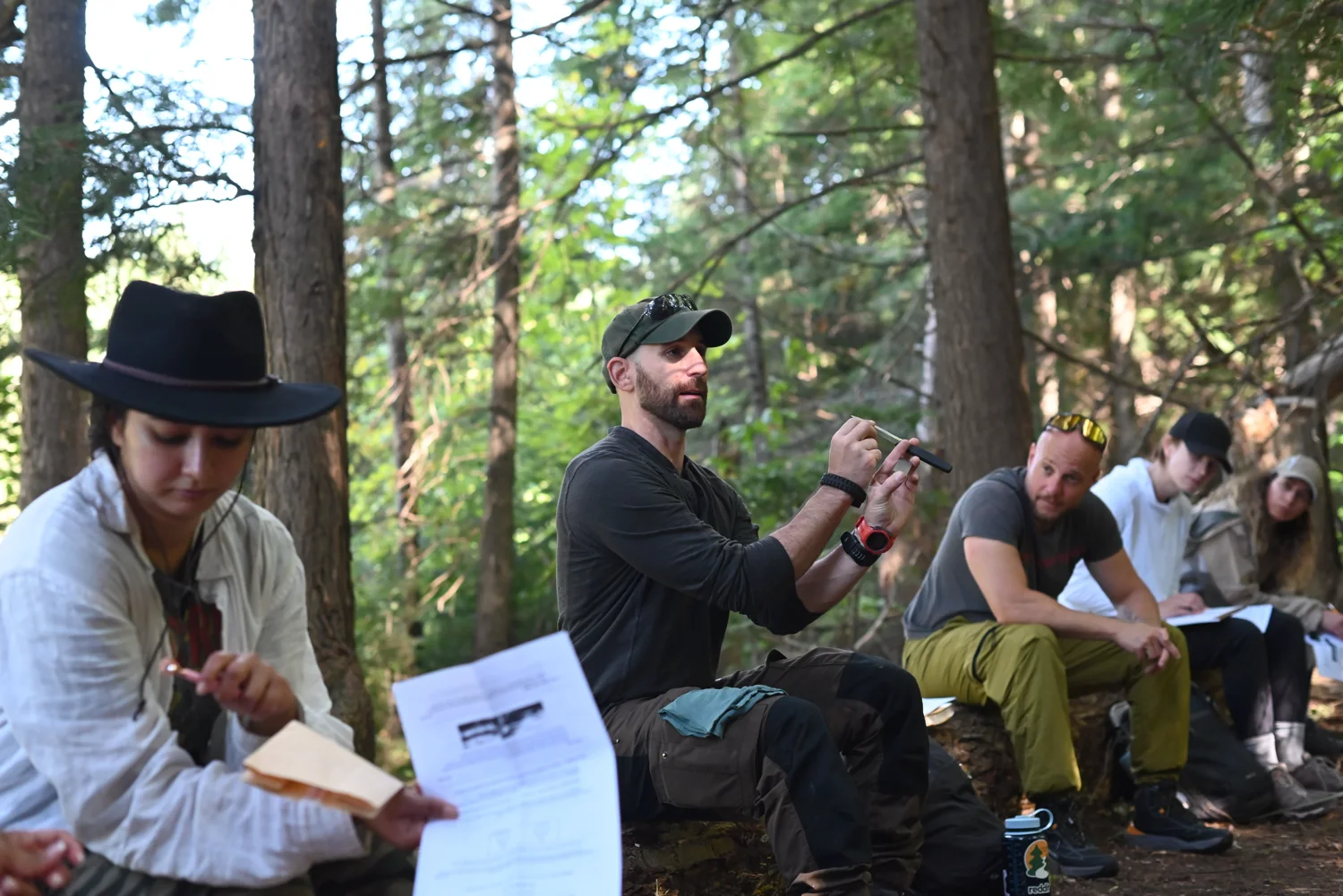
Proper tools, so you don't need to own anything. We bring quality kit and you use it all day: ferro rods, knives, saws, hatchets and tarp. Borrow on the day, or buy your own at checkout if you want to keep it.
Expert instructors. Specialists who teach, not just people who know. Patient, practical, and happy to go at your pace.
Guides you keep. You get a printed guide on the day and a digital version afterwards, so you can practise at home and remember what you learned.
Small groups. Plenty of hands-on time and someone always close by when your fire won't catch.
Getting there is sorted. Add the bus from Keele Station when you book, or drive yourself.
Every course stands on its own. There's no set path, and you don't need to take one before another.
If you catch the bug though, there's a natural way to keep going. A Level 2 in the same discipline, perhaps, yhen an overnight where you sleep in a shelter you built yourself. Then a winter weekend, when the cold makes every skill count.
Do I need any experience? No. Our beginner courses start from the very first spark and are paced to the group.
Do I need my own gear? No. We provide the tools. Bring boots you don't mind muddying, warm layers, lunch and water.
How much does a survival skills course cost? Courses start from $80 plus HST, depending on the course. The bus from Keele Station is an add-on at checkout.
Where are the courses held? In and around Toronto, at places like Bronte Creek Provincial Park in Oakville and Copeland Forest, north of Barrie.
Do I need to be a member? Our survival courses are mostly open to everyone. Wilderness Union Explorer members get a huge discount on each course. Each listing shows who can book it.
Check out the upcoming dates on our Survival Skills page and pick the skill you've always meant to learn.