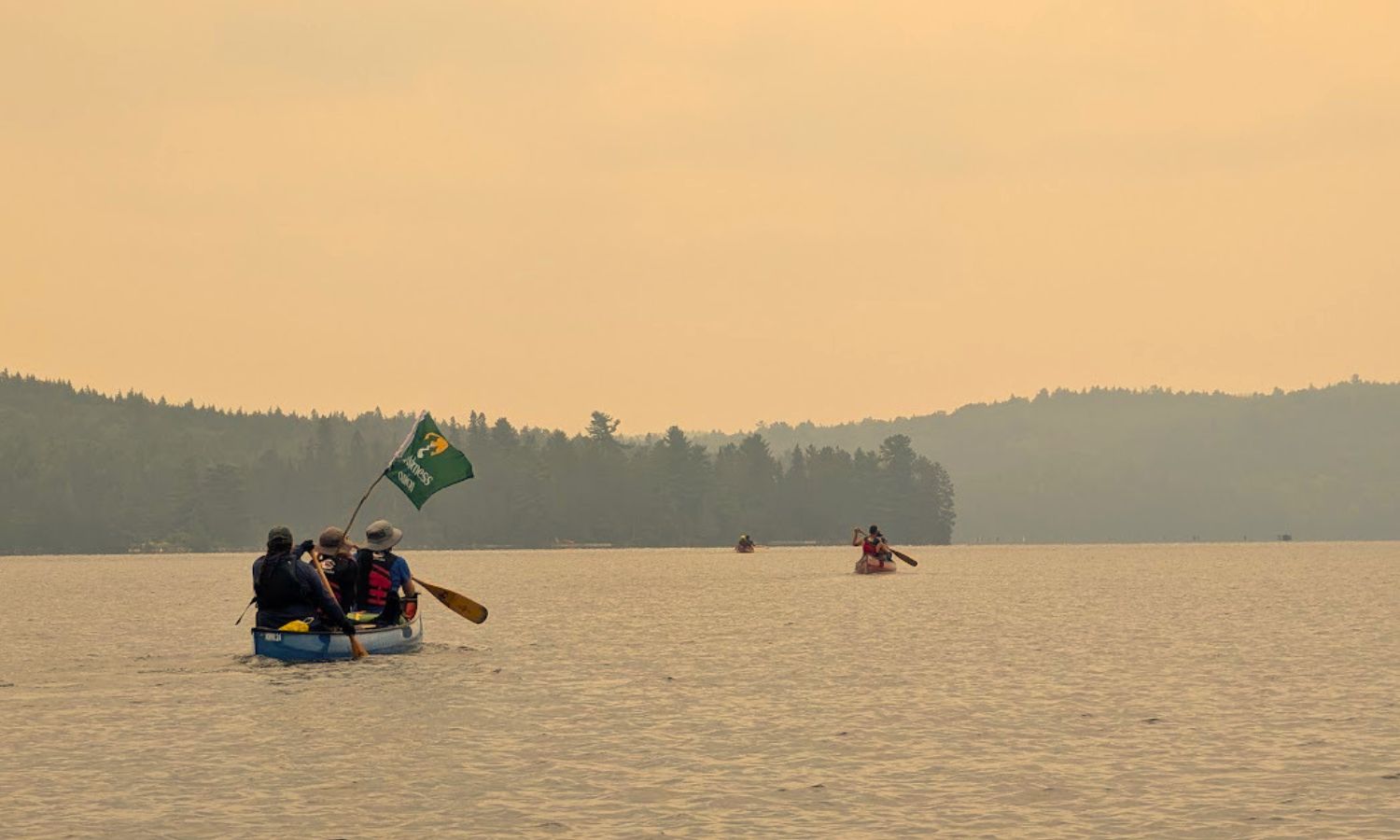
Last week the impact of devastating wildfires up North was felt closer to home. Orange smoke descended on Toronto in a timely reminder that the climate crisis continues to worsen even if society's attention has wandered.
Extreme weather and air quality are increasingly factors in our calculations. We've always promised that you can book a WU trip and show up - we'll deal with all of the planning. Of all the many layers of planning, safety always comes first. With the increased number of questions we've had about how air quality might impact upcoming trips, this is a good opportunity to give you a peek behind the curtain into how we make decisions about trip safety.
What happens before you head out
Before every trip, we have a conversation with our guides to discuss the adventure and potential hazards on the day. We're always aware of the seasonal risks that weather can pose and in the days preceding a trip we keep a close eye on weather reports.
Earlier in 2026, Environment Canada introduced a new colour coded alert system that has significantly simplified weather risk planning. A traffic light system of yellow, orange and red alerts of increasing severity makes it easy to get a quick snapshot of potential danger.
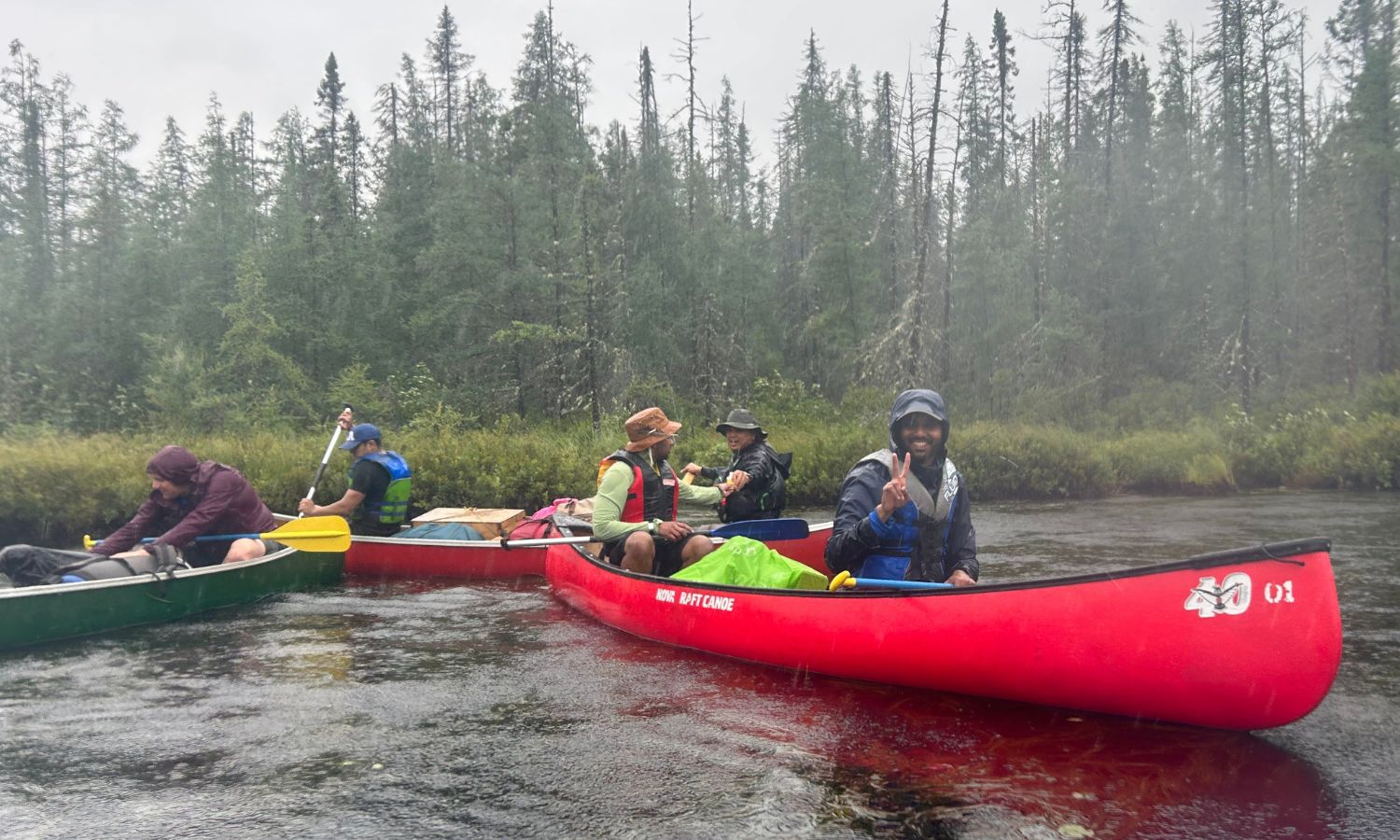
Some of the most enjoyable trips we've run have been under less than ideal conditions. The training our guides receive, the medical knowledge they possess and ongoing communication with home base mean we can tackle trips in a wider range of conditions.
Yellow alerts
Once a yellow alert is in place, we start to monitor conditions even more closely. We will proceed with a trip under a yellow alert with enhanced safety measures. Take the recent smoke alerts as an example:
As a result of this preparation, the adventure was as successful and safe as members have come to expect. There are times however when we will not proceed. Multiple yellow alerts can have a combined effect of making a trip unsafe to run and when the alert turns orange, a different protocol kicks in.
Orange alerts
Whether from wind, rain or air quality an orange alert signifies severe weather that's likely to cause "significant damage, disruption, or health impacts". We don't proceed with a trip that has an orange alert at the time of departure, or covering the majority of a multi-day trip.
These calls are never easy to make and can often change within a few hours. Whenever an orange alert looks likely, we communicate with members as soon as possible to let them know we're monitoring the situation. We make an initial go/no go decision at 5pm the evening before departure, then a final check before folks head off in the morning. Whenever a trip is cancelled due to weather or air quality we issue a full credit for the cost of the adventure that never expires and can be used on a future trip.
Red alerts
These are much more rare and much more severe. It goes without saying that we never begin a trip with a red alert in place, but what happens on a trip when a red alert develops?
We had a situation that would have been classified as a red alert had the system been in place during a backcountry trip in 2024. In this case, we got a warning at home base that there was the risk of a tornado developing over Georgian Bay Islands National Park where our members were camping. We immediately coordinated with our guides over satellite communicator warning them of the incoming danger. This situation called for controlled extraction as soon as possible and was one we had planned for. We had a local boat company on standby that ended up crossing the channel under darkness to pick up all of our members and get them to safety. It's a crazy story you can check out in this reel
For the members, it ended up being a story they'll never forget. For us, it was validation that the huge amount of prep that goes into every trip is worth it.
Extreme weather is part of adventuring in 2026 and it isn't going away. Our promise stays the same: we do the planning, we watch the forecasts, and we make the conservative call when it matters. If weather ever forces a cancellation, you get a full credit that never expires. All you have to do is show up.
I hope to see you out there this year, whatever the forecast brings.